How to Select the Right Animation Style for Your Brand (Real Examples)
Dec 26, 2025
•
6
Min Read
Choosing an animation style sounds fun.
And it is… until you realize the wrong choice can quietly torch your budget, confuse your audience, and leave you with a video that looks cool but does absolutely nothing.
This guide is here to save you from that fate.
We’ll break down:
The most common animation style archetypes
How to match style with audience and tone
How style affects cost, timeline, and scope
Real-world use cases
First: Animation Style Is a Strategy Decision (Not a Dribbble Moment)
That's not a typo. Dribbble, with three b's, is a platform for designers.
An animation style is communication.
Every style sends subconscious signals:
Is this credible or playful?
Is this approachable or authoritative?
Is this fast-moving or thoughtful?
Choosing a style without context is like picking a font because it “feels fun” and Comic Sans ends up at the board meeting.
Let’s not do that.
The Core Animation Style Archetypes (And When They Work)
1. "Clean" Motion Graphics (The “Trust Me, I’ve Done This Before” Style)
What does it look like?
Simple shapes
Strong typography
Smooth transitions
Brand-first color systems
Who uses it the most?
B2B marketing
Climate & science comms
Explainers, campaigns, training videos
Why it works
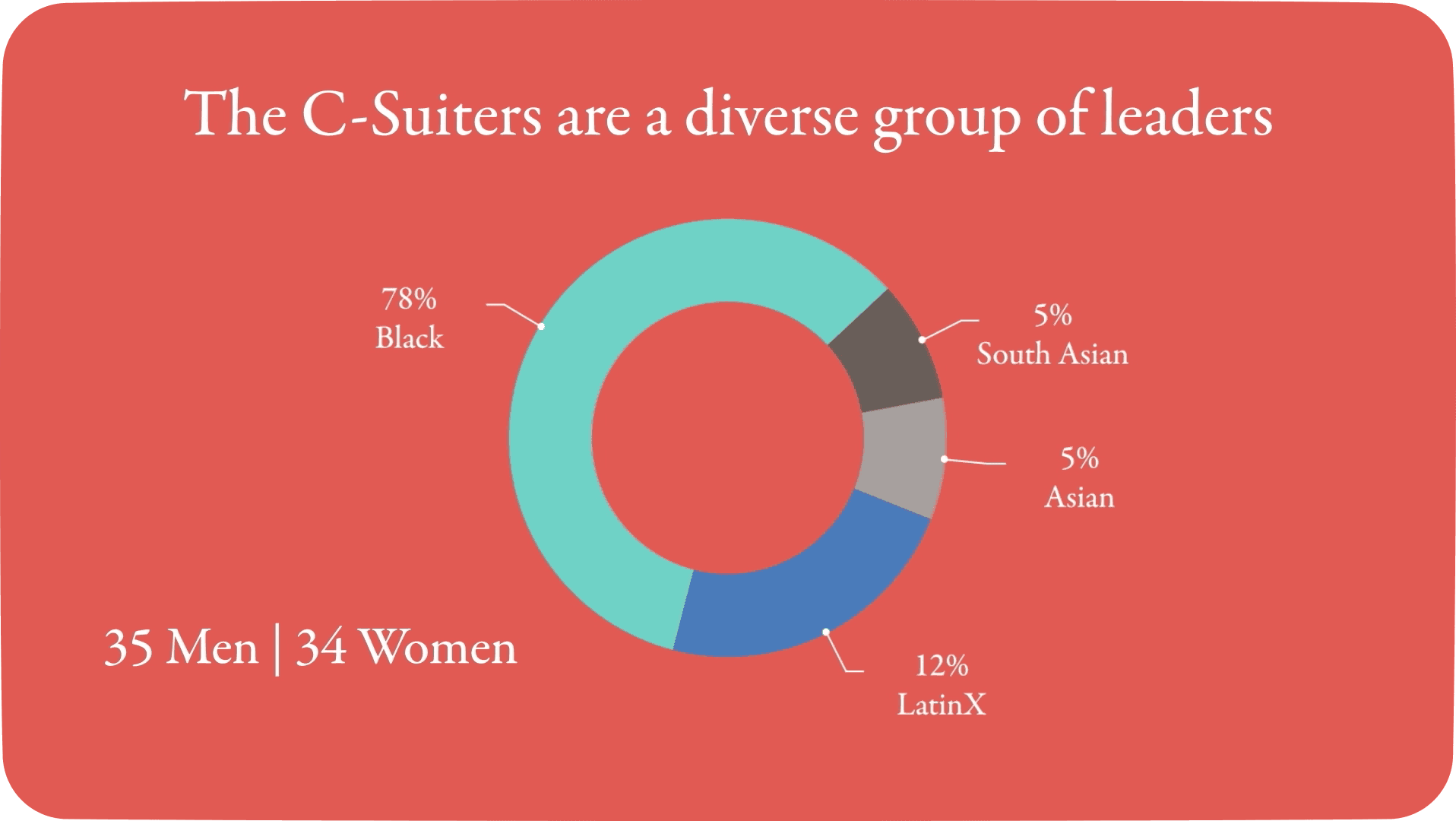
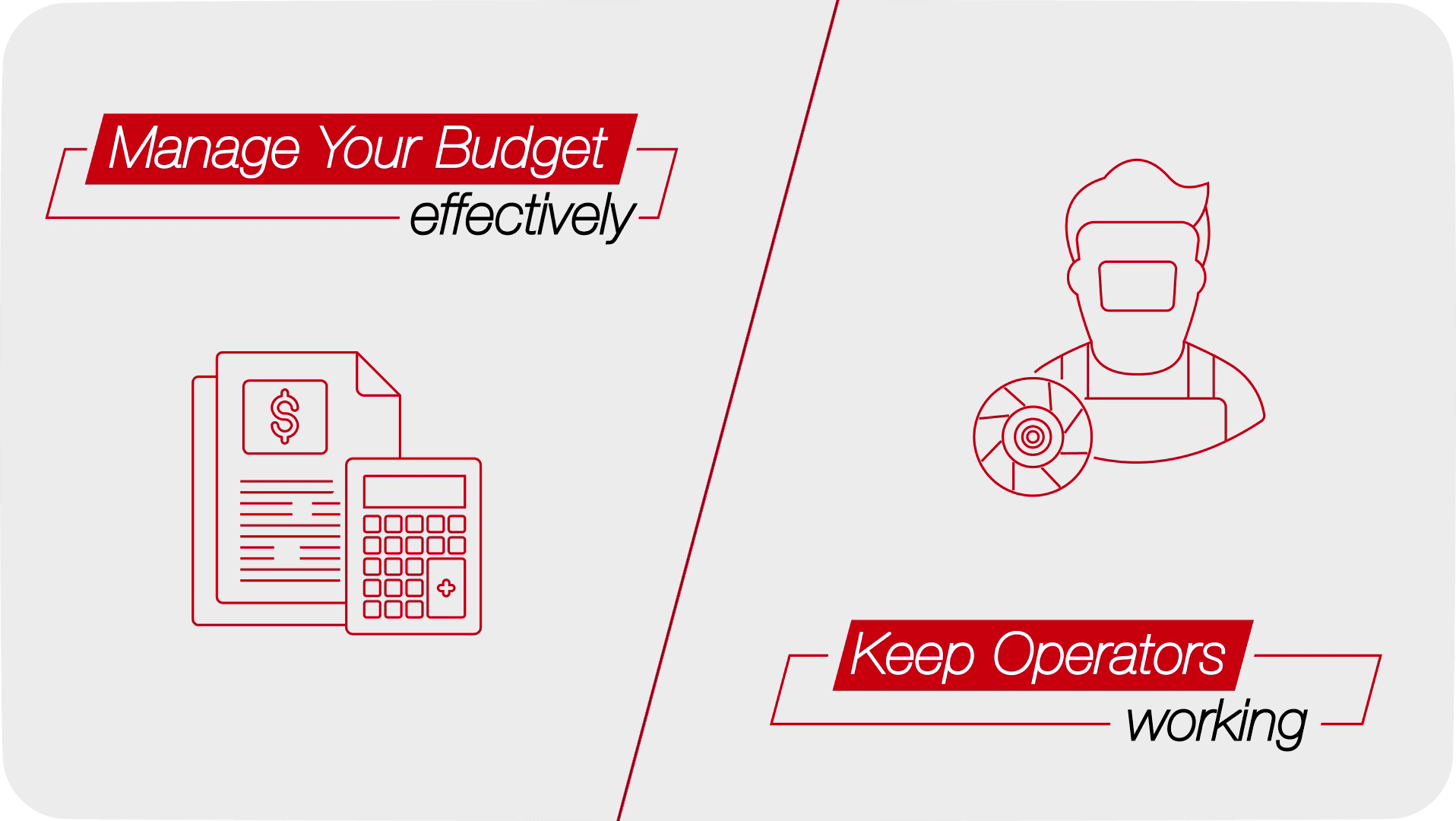
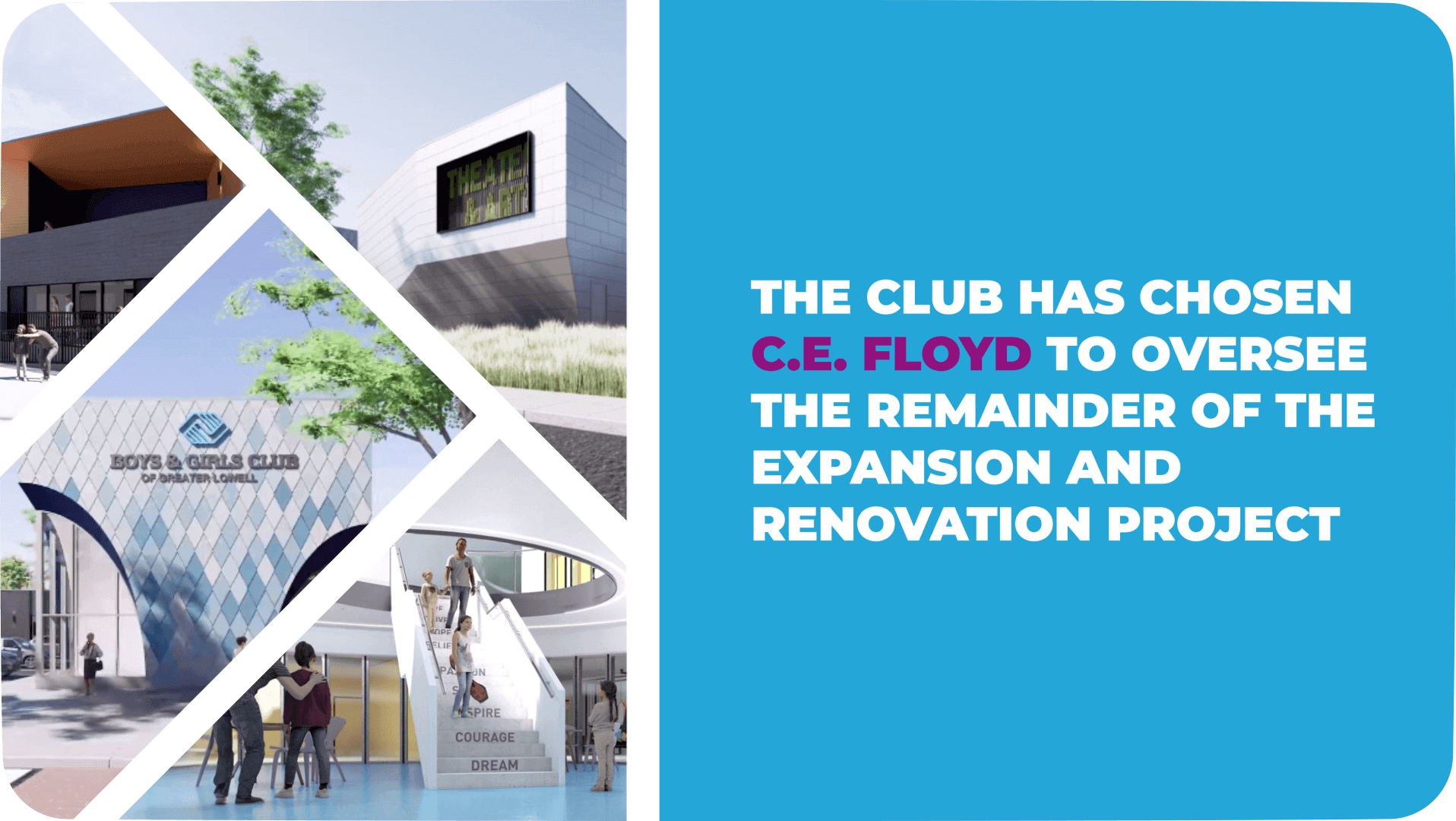
Clean motion graphics get out of the way. They help viewers understand ideas quickly without asking them to decode visual metaphors.
This is why you see this style used heavily across explainers and inside campaigns:
Tone signals
✔ Professional
✔ Clear
✔ Strategic
✖ Whimsical chaos
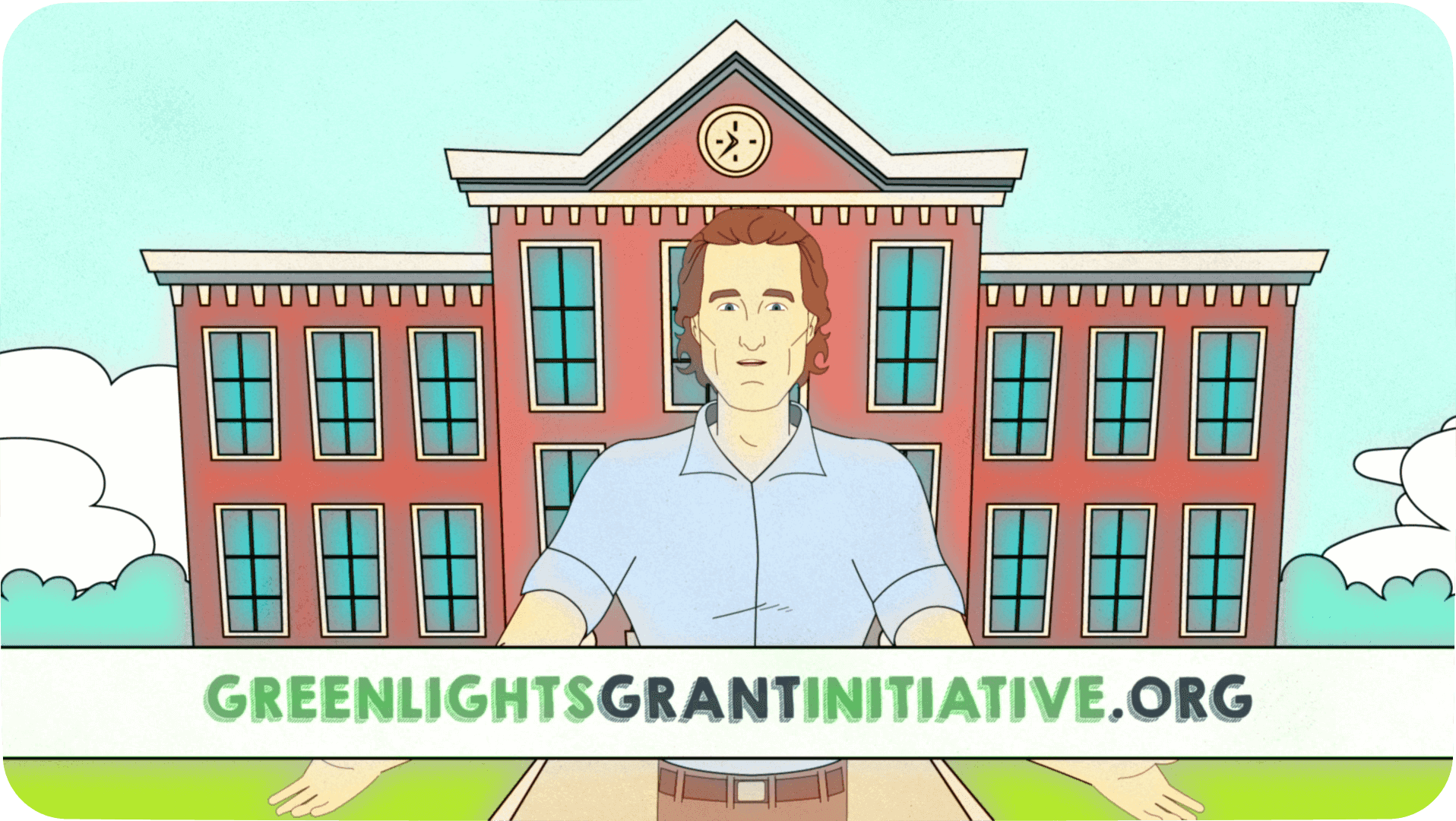
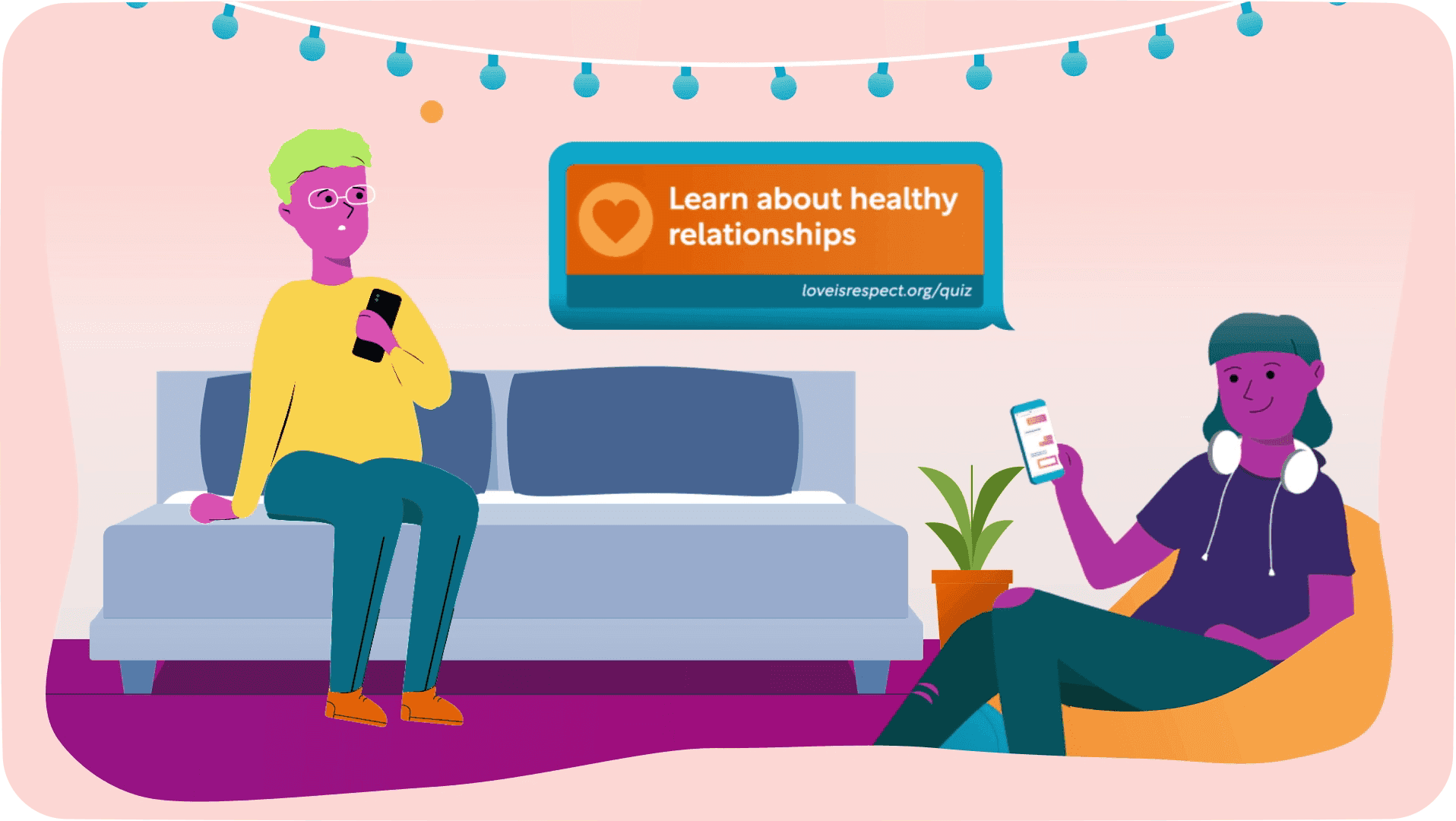
2. Illustrated / Character-Based Animation (The “Let Me Explain This Like a Human” Style)
What does it look like?
Hand-drawn or flat illustrations
Simple characters
Visual metaphors doing emotional labor

Who uses it the most?
Education
Nonprofits
Change management
Brand storytelling
Why it works
People connect with people, even illustrated ones with noodle arms. Characters soften complex or emotionally heavy topics and make information memorable.
If you want to look at some character examples, check out our character animation page.
Tone signals
✔ Warm
✔ Relatable
✔ Human-centered
✖ Highly technical precision
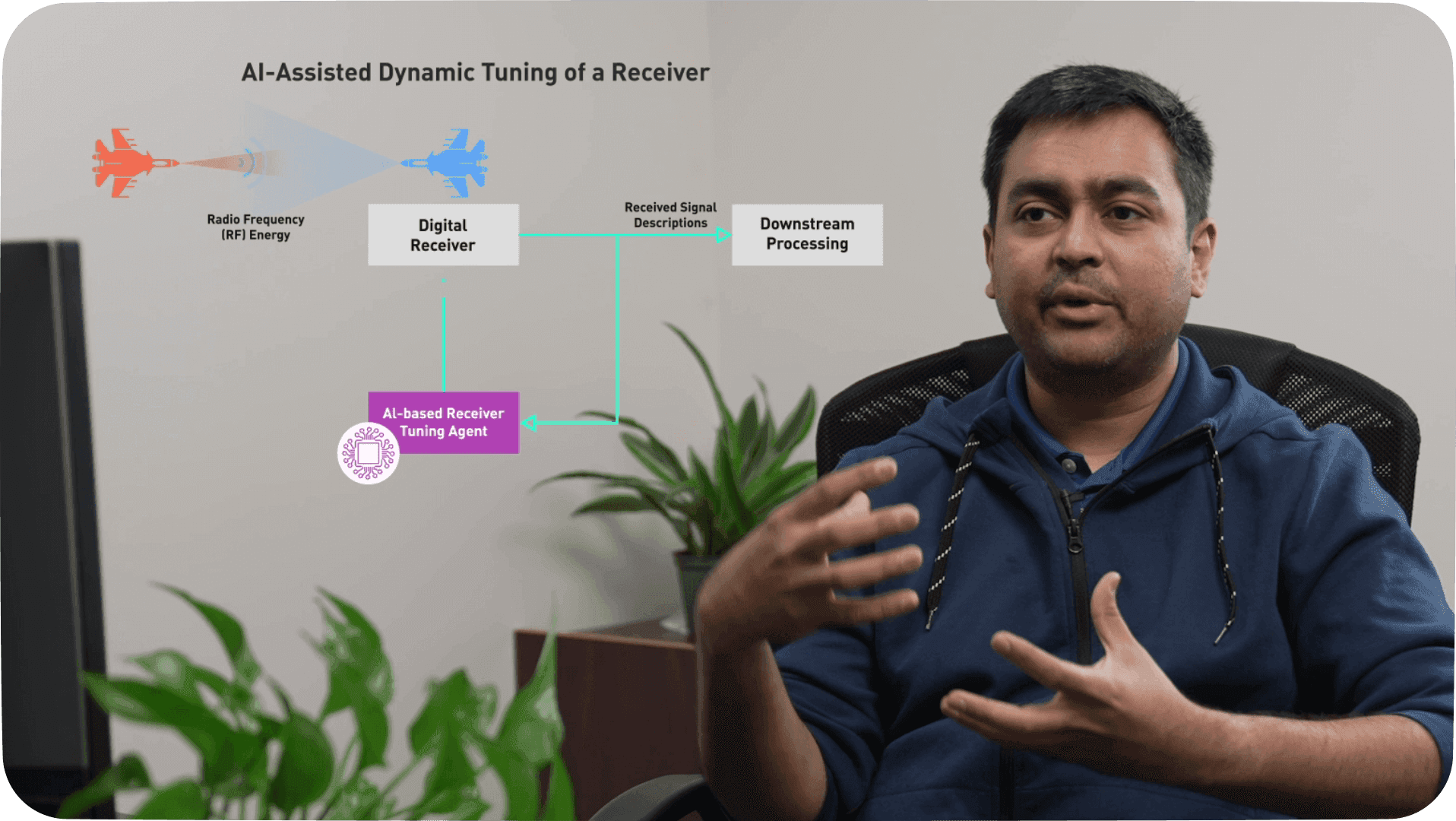
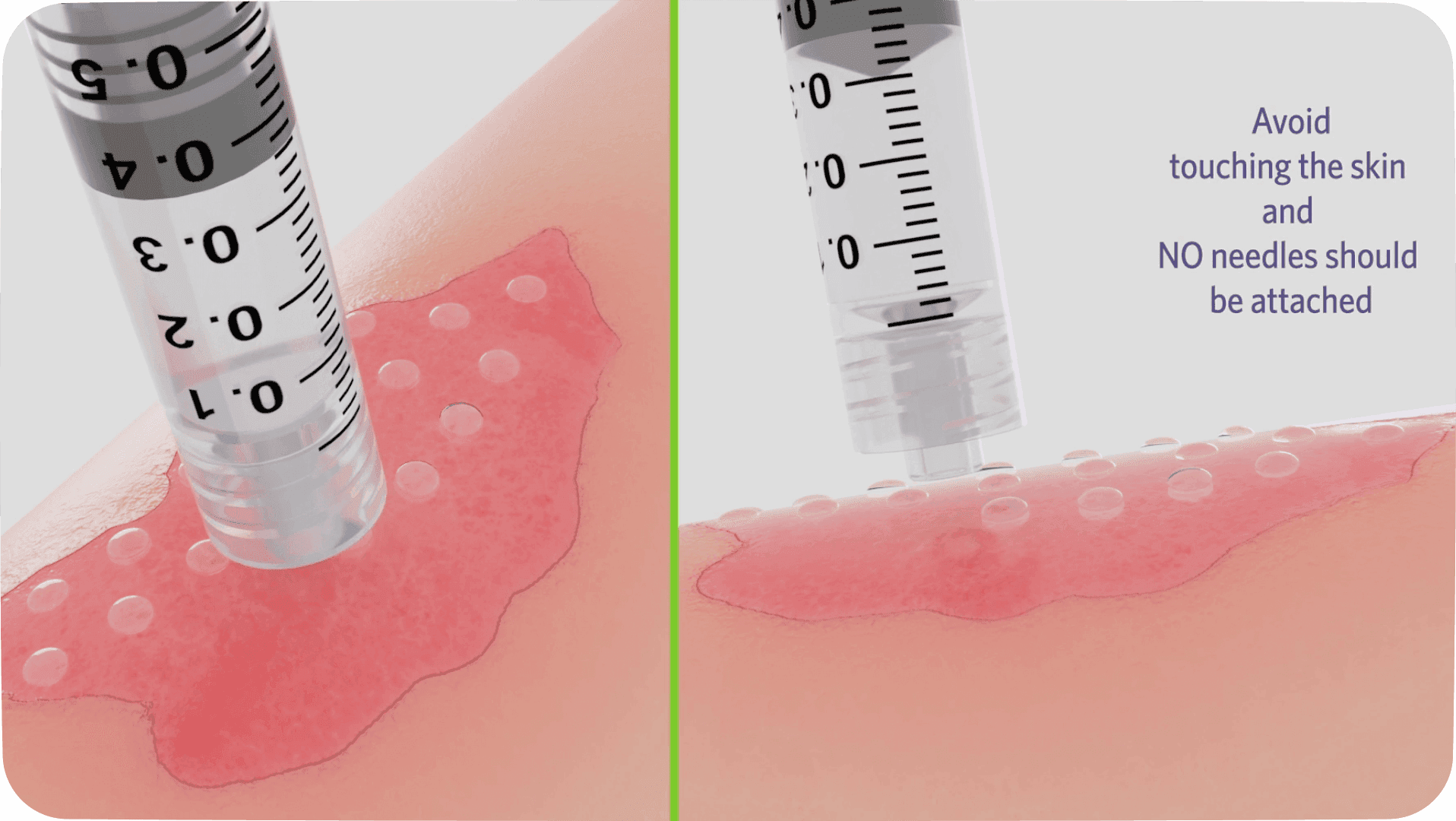
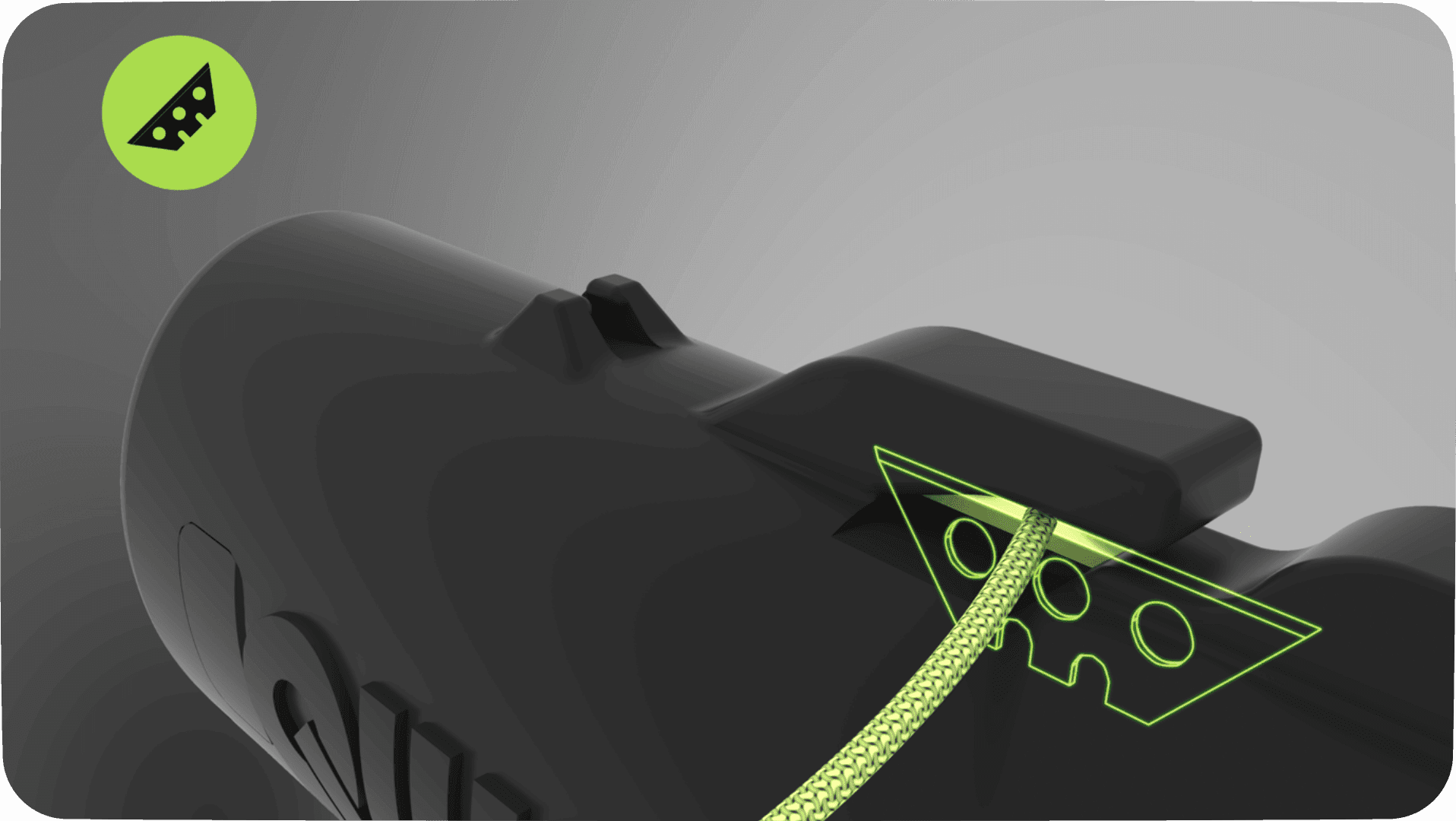
3. Hybrid Animation (2D / 3D / Real Assets)
What it looks like
Vector overlays on real footage
2D/3D mixed elements
Product shots enhanced with motion graphics
Best for
Campaign launches
Product explainers
Brands that want polish and personality
Why it works
Hybrids let you level up visual interest without committing fully to a long 3D pipeline. They’re flexible, scalable, and great for campaigns that need multiple cutdowns.
Tone signals
✔ Modern
✔ Elevated
✔ Confident
✖ Ultra-minimal
You can now browse all of our style examples here.
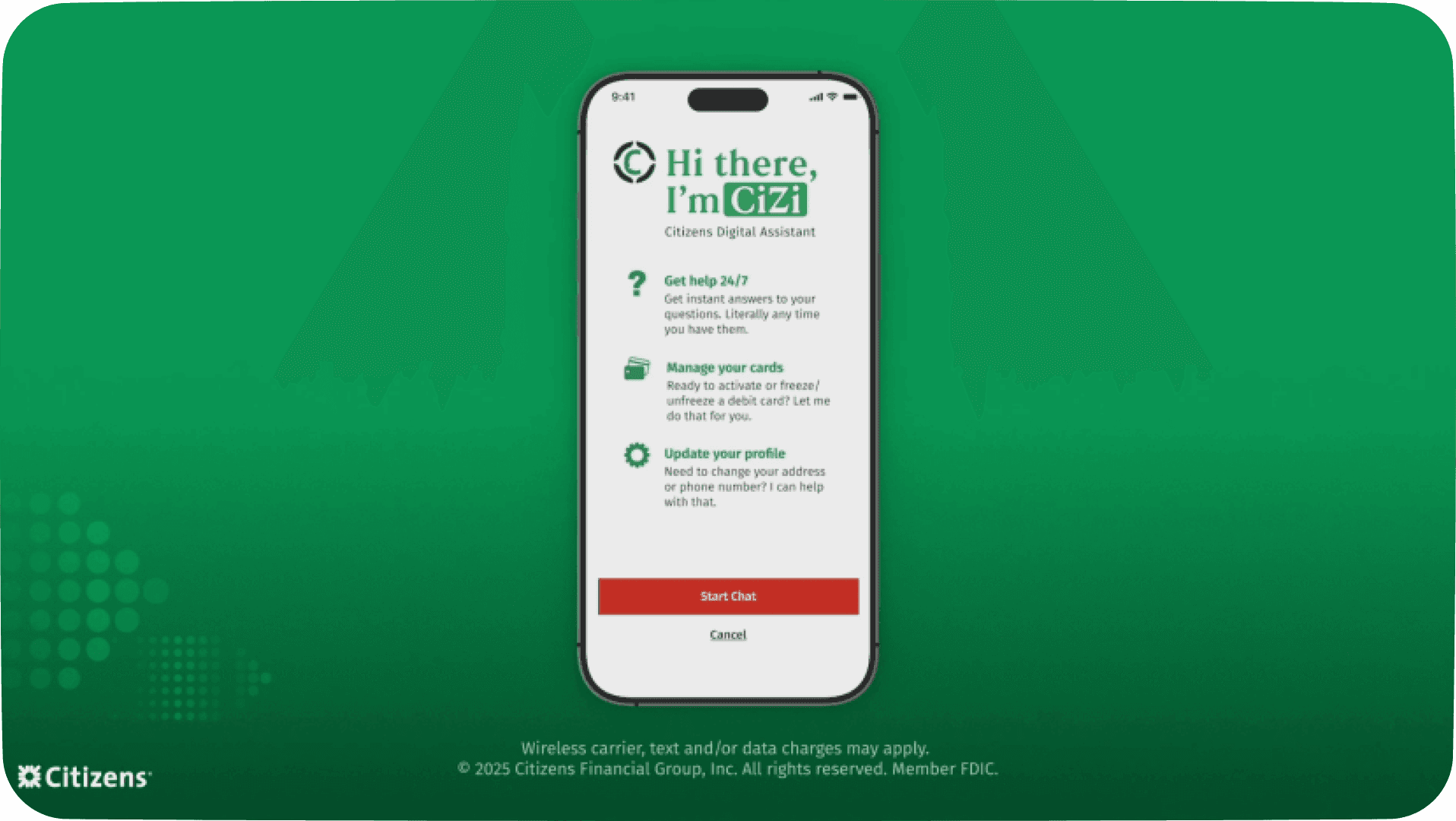
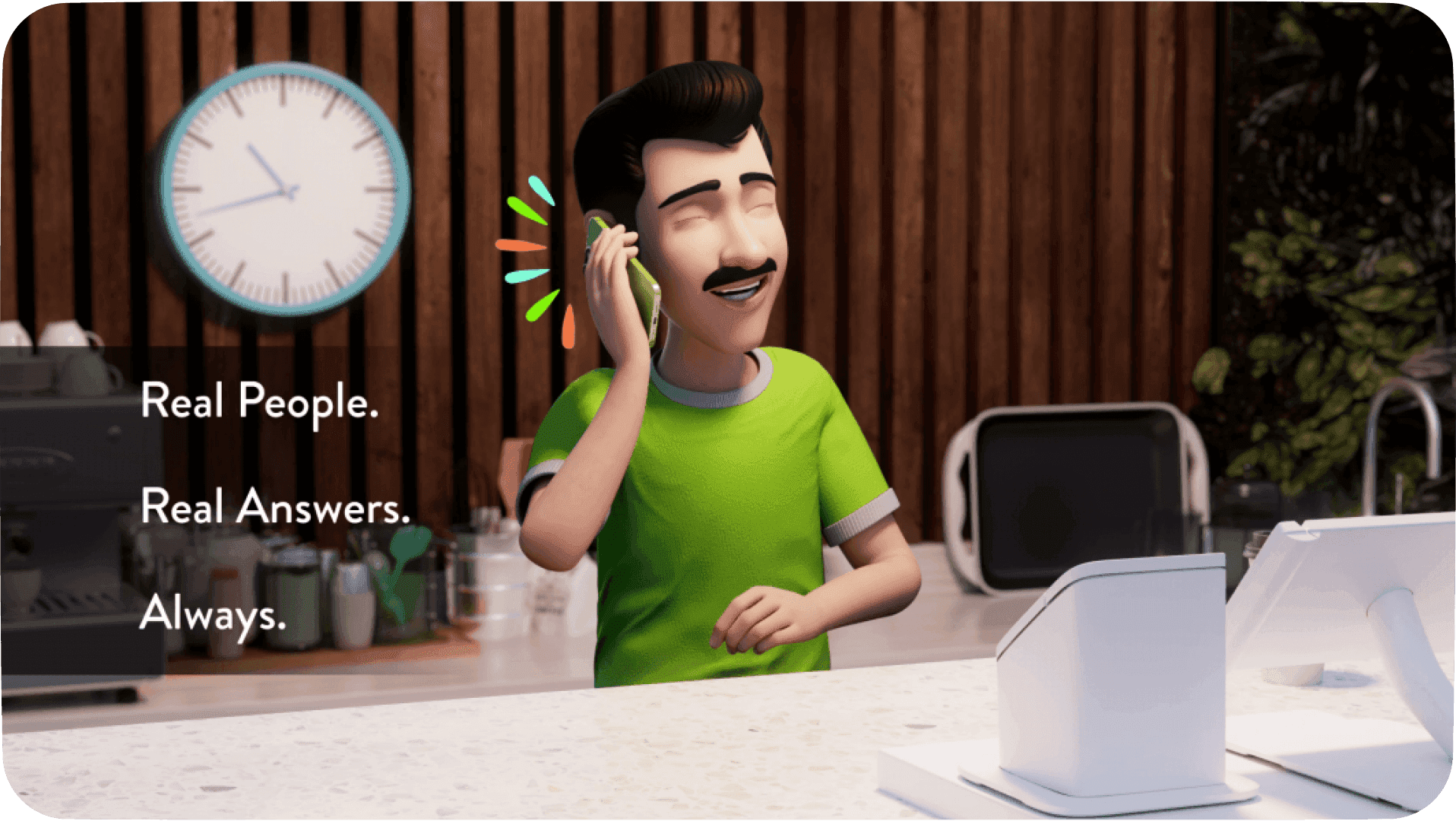
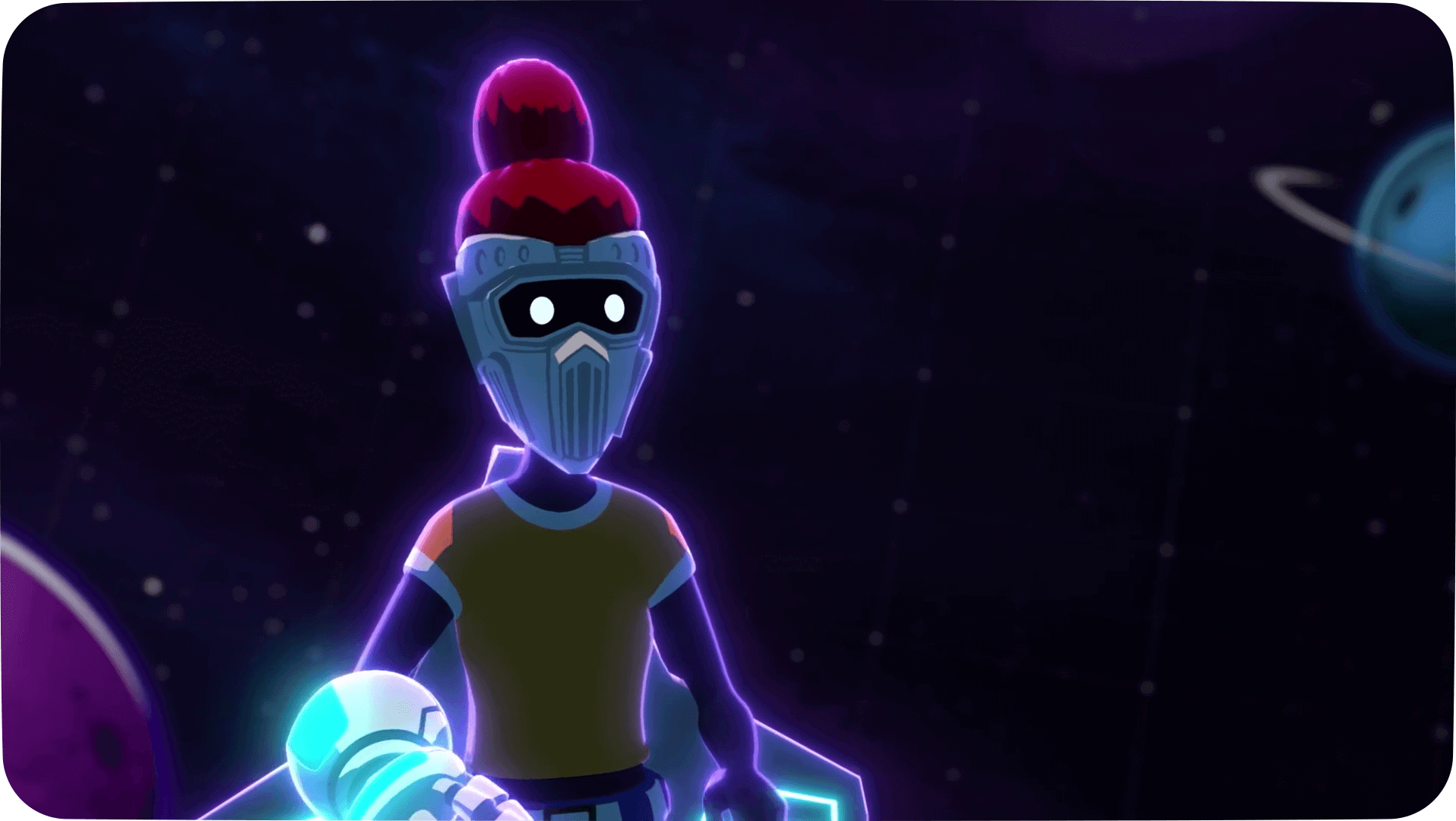
4. Full 3D Animation (The “Yes, This Costs More and Here’s Why” Style)
What it looks like
Lighting, cameras, depth
Cinematic motion
Highly controlled visuals
Why you could use it?
Product visualization
Premium brand moments
Long-term reusable assets
Why it works
3D is powerful, but it’s an investment. When used correctly, it creates assets that can be reused across years of campaigns, not just one video.
If you're interested in higher-tier or long-term engagements, check out our packages.
Tone signals
✔ Premium
✔ Polished
✔ High-impact
✖ Fast-and-cheap
Match the Style to the Audience (Not Just the Brand Mood)
Here’s the trap:
Internal teams pick styles they like but Audiences only care if they understand.
Quick sanity checks:
If your audience is…
Marketing leaders / comms directors
Clean motion graphics or hybrid
General public / community audiences
Illustrated or character-based
Technical or regulated industries
Clean motion graphics with restrained animation
Campaign-based or multi-touch funnels
Hybrid styles that scale into cutdowns
How Animation Style Affects Cost & Timeline (Yes, It Matters)
Let’s talk reality for a second.
Animation style directly affects:
Production hours
Review cycles
Revision flexibility
Budget range
General (but very real) ranges
Style | Relative Cost | Timeline Impact |
|---|---|---|
Clean Motion Graphics | $$ | Fastest |
Illustrated / Characters | $$–$$$ | Moderate |
Hybrid Animation | $$$ | Moderate–Long |
Full 3D | $$$$ | Longest |
This is why our pricing tiers are structured by scope.
Style choices determine how efficiently a project moves, and how easy it is to adapt later into micro-content, cutdowns, or future campaigns.
The Real Question You Should Ask Before Picking a Style
Not:
“What style do we like?”
But:
“What do we need this animation to do?”
Clarifying something complex? Go with Clean or illustrated
Building emotional trust? Try out Characters
Launching a campaign? You probably want a Hybrid
Showcasing a product long-term? Lean into 3D
If you start with purpose, style becomes obvious and budgets stop spiraling.
Final Thought: The Best Animation Style Is the One You Don’t Notice
When style is right:
Viewers stay focused
Messages land
Teams stop arguing about opinions
And nobody says, “Cool animation… but I still don’t get it.”
If you’re stuck between options, hop on call and let's talk.
Because picking the right style is about clarity, strategy, and not having to redo the video six months later.
Enjoying These Insights?
Advocacy
Copyright ©
Open Pixel Studios, LLC.
All product names, logos, and brands are the property of their respective owners.